
Best Practices for Storing and Handling Lyophilized Peptides

Proper storage protects peptide stability and keeps your research results consistent. Here are the essential handling guidelines. Even the highest-purity peptide can degrade if it isn’t stored and handled correctly. Following good laboratory practice helps preserve stability and ensures consistent results across experiments. What Does “Lyophilized” Mean? Lyophilization, or freeze-drying, removes water from a peptide […]
Why Third-Party Testing Matters in Peptide Research
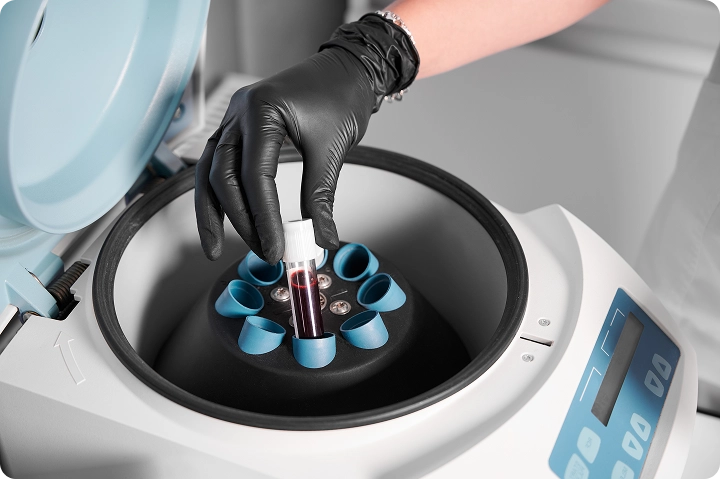
Independent testing is the foundation of trustworthy research materials. Here’s what purity testing involves and why it matters. In research, results are only as reliable as the materials used to produce them. That’s why independent, third-party testing has become a standard expectation for research-grade peptides. What Is Third-Party Testing? Third-party testing means a batch is […]
Understanding Peptides: The Building Blocks of Cellular Communication

Peptides are short chains of amino acids that act as messengers within biological systems. Here’s why they have become a key focus in modern research. Peptides are short chains of amino acids linked together by peptide bonds. While proteins can contain hundreds or thousands of amino acids, peptides are typically much smaller, usually between 2 […]